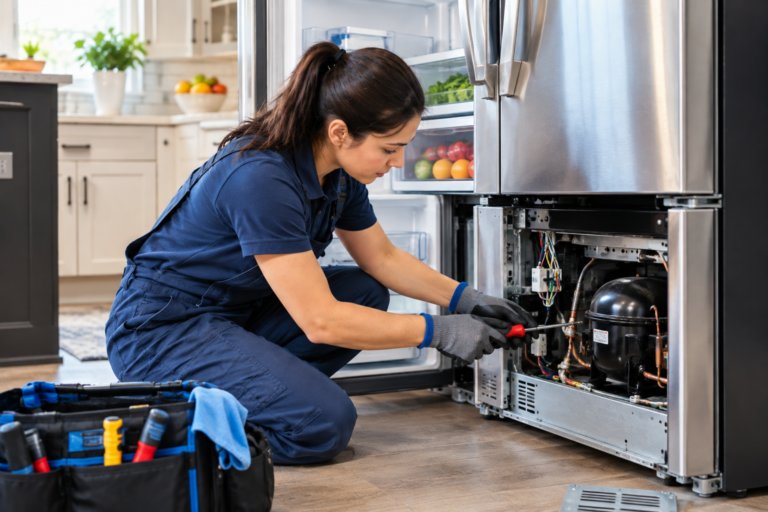
A dryer that runs but does not produce enough heat can turn a simple laundry routine into a frustrating problem. If your clothes are still damp after a full cycle, your dryer may have a heating problem that needs attention.
There are several possible reasons why a dryer is not heating, including a clogged vent, faulty heating element, blown thermal fuse, defective thermostat, or problems with the igniter in a gas dryer.
Before replacing the appliance, it is worth finding out what is causing the problem. In many cases, professional dryer repair can restore the appliance to proper working condition.
Why Is My Dryer Not Heating?
When a dryer tumbles but produces little or no heat, the problem may be related to airflow, electrical components, heating components, or the dryer’s control system.
Some problems are simple maintenance issues, while others require professional Dryer Repair in Arlington.
Here are seven common reasons your dryer may not be heating properly.
1. Clogged or Restricted Dryer Vent
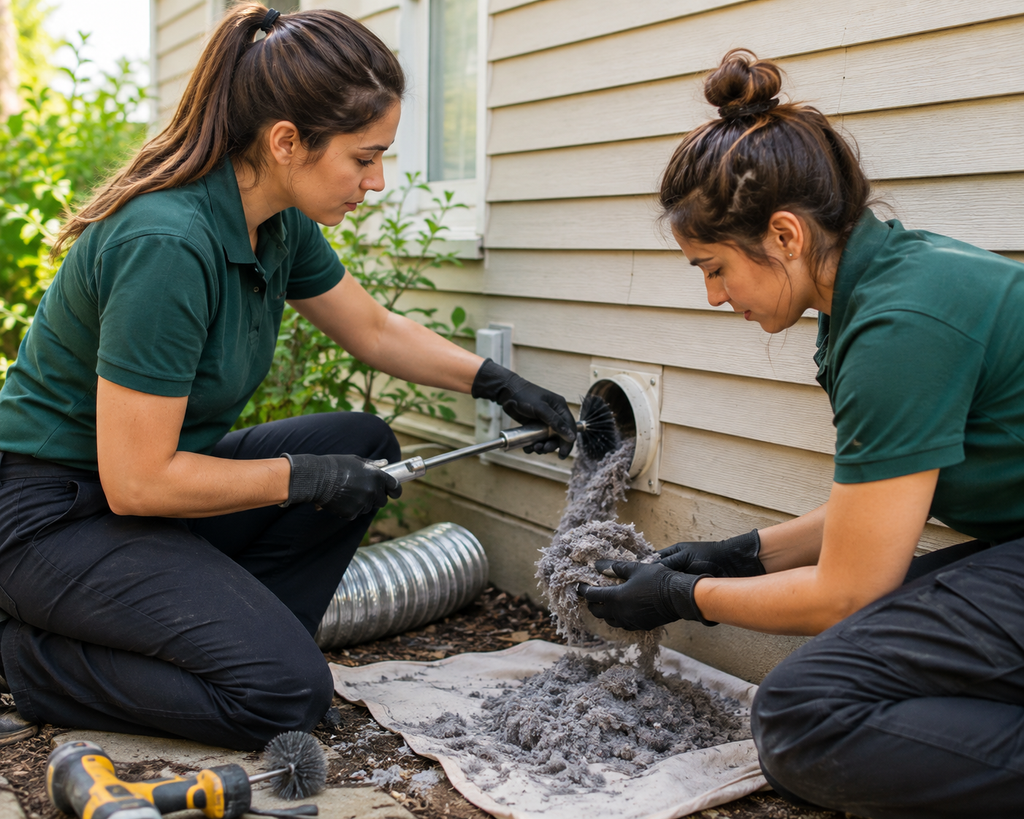
One of the most common causes of poor dryer performance is restricted airflow.
Lint can accumulate inside the dryer vent and exhaust system over time. When hot air cannot escape properly, the dryer may take much longer to dry clothes and can become overheated.
A restricted vent can also place additional stress on the dryer and create a potential safety concern.
Signs of a clogged dryer vent include:
- Clothes take too long to dry
- Dryer becomes unusually hot
- Little air comes from the outside vent
- Dryer shuts off before the cycle finishes
- Burning or hot lint smell
- Large amounts of lint around the dryer
Cleaning the lint filter after every load and keeping the vent system clear can help maintain proper airflow.
If the vent is severely blocked or the dryer continues overheating, professional inspection is recommended.
2. Faulty Heating Element
Electric dryers use a heating element to generate the heat needed to dry clothes.
Over time, the heating element can burn out or become damaged. When this happens, the dryer may continue tumbling normally but fail to produce sufficient heat.
A faulty heating element generally requires testing and replacement.
If your dryer turns on and spins but the clothes remain cold and wet, the heating element may be one possible cause.
3. Blown Thermal Fuse
A thermal fuse is a safety component designed to help protect the dryer from excessive heat.
If the dryer overheats because of restricted airflow or another problem, the thermal fuse may blow. Once the fuse has failed, the dryer may stop heating or may not operate normally.
Replacing the fuse without identifying the reason it failed may not solve the underlying problem.
A technician can inspect the dryer and determine whether the thermal fuse, airflow system, or another component is responsible.
4. Defective Thermostat
The thermostat helps regulate the dryer’s temperature.
If the thermostat is defective, the dryer may not maintain the correct temperature. It may produce too little heat, overheat, or cycle incorrectly.
A faulty thermostat can affect drying performance and increase drying time.
Professional testing can help determine whether the thermostat is functioning correctly.
5. Gas Dryer Igniter or Gas Valve Problem
Gas dryers use an igniter and gas system to create heat.
If the igniter fails, the gas may not ignite properly. Other gas-related components can also cause heating problems.
Because gas appliances involve combustion and gas connections, homeowners should avoid attempting complicated repairs themselves.
If a gas dryer is not heating, a qualified appliance technician should diagnose the problem safely.
6. Electrical or Power Supply Problem
An electric dryer requires the correct electrical supply to operate its heating system.
Sometimes a dryer may appear to work because the drum still turns, while the heating system is not receiving the required power.
A tripped breaker, wiring problem, damaged connection, or other electrical issue can affect heating performance.
If you suspect an electrical problem, professional diagnosis is the safest approach.
7. Faulty Control Board or Timer
Modern dryers use electronic controls to manage temperature, timing, motor operation, and heating cycles.
If the control board or timer develops a fault, the dryer may not activate the heating system correctly.
Control problems can sometimes be difficult to identify because the dryer may appear to operate normally while only one function, such as heating, is affected.
A professional technician can test the appliance and determine whether the control system is causing the problem.
Why Is My Dryer Taking Too Long to Dry Clothes?
A dryer does not necessarily have to stop heating completely to have a problem.
If your dryer takes two or three cycles to dry a normal load, something may be affecting its performance.
Common causes include:
- Clogged lint filter
- Blocked dryer vent
- Restricted exhaust hose
- Overloaded dryer
- Faulty heating element
- Weak airflow
- Defective thermostat
- Moisture sensor problems
Start by cleaning the lint filter and checking that the dryer is not overloaded.
If drying times remain unusually long, professional dryer repair can help identify the underlying issue.
Can I Fix a Dryer That Is Not Heating Myself?
Some basic maintenance can be performed by homeowners.
You can:
- Clean the lint filter
- Check that the exhaust hose is not visibly crushed
- Make sure the dryer is not overloaded
- Check whether the circuit breaker has tripped
- Keep the area around the dryer clear
However, replacing heating elements, thermostats, thermal fuses, electrical components, or gas components requires proper diagnosis and technical knowledge.
Attempting the wrong repair can damage the appliance or create a safety risk.
When Should You Call a Dryer Repair Technician?
Consider professional dryer repair if:
- Your dryer runs but does not heat
- Clothes remain wet after a complete cycle
- The dryer overheats
- The dryer repeatedly shuts off
- You smell something burning
- The dryer makes unusual noises
- The drum does not spin
- Your dryer takes much longer than normal to dry clothes
A technician can inspect the dryer, identify the faulty component, and recommend the appropriate repair.
Same-Day Dryer Repair in Northern Virginia
If your dryer stops working, waiting several days for a repair can quickly create a pile of laundry.
ProTech Appliance Repairs provides professional washer and dryer repair for homeowners throughout Northern Virginia and nearby service areas. The company repairs common dryer problems including heating issues, poor drying performance, unusual noises, drum problems, overheating, and dryers that stop during a cycle.
Same-day service is available whenever possible, depending on scheduling and technician availability. ProTech also states that it uses genuine manufacturer parts for repairs.
Dryer Repair vs. Dryer Replacement
Not every dryer problem means you need a new appliance.
Repair may make sense when:
- The dryer is otherwise in good condition
- The problem is caused by a replaceable component
- The repair cost is reasonable compared with replacement
- The appliance has not experienced repeated major failures
Replacement may be worth considering when the appliance is very old, has multiple expensive problems, or repair costs are approaching the price of a comparable new dryer.
A professional diagnosis can help you make a more informed decision.
How to Prevent Dryer Problems
Regular maintenance can help improve dryer performance and reduce unnecessary wear.
Follow these simple tips:
Clean the lint filter after every load.
Lint buildup can restrict airflow and reduce drying efficiency.
Avoid overloading the dryer.
Large loads can prevent clothes from tumbling properly and make drying take longer.
Keep the exhaust system clear.
Proper airflow helps the dryer remove warm, moist air efficiently.
Inspect unusual noises or overheating early.
Small problems can become more expensive if ignored.
Schedule professional maintenance when needed.
If your dryer repeatedly overheats, takes too long to dry, or stops during cycles, have it inspected.
FAQs About a Dryer That Is Not Heating
Why is my dryer running but not heating?
A dryer that runs without producing heat may have a clogged vent, faulty heating element, thermal fuse, thermostat, electrical problem, or another failed component.
Why does my dryer take two cycles to dry clothes?
Long drying times are often associated with restricted airflow, a clogged vent, an overloaded dryer, or a heating system problem.
Is it safe to use a dryer that is overheating?
It is better to stop using an overheating dryer until the cause has been identified. Excessive heat can indicate an airflow or component problem.
How much does dryer repair cost?
The cost depends on the appliance model, the failed component, labor, and the complexity of the repair. A professional diagnosis is the best way to determine the actual repair cost.
Should I repair or replace my dryer?
The decision depends on the age and condition of the dryer, the repair required, and the cost of replacement. A technician can help you evaluate your options.
Can a clogged dryer vent cause a dryer not to heat?
Yes. Restricted airflow can cause overheating and poor drying performance and may contribute to thermal safety components shutting the dryer down.
Need Professional Dryer Repair?
A dryer that is not heating does not always mean you need a new appliance. The problem may be a clogged vent, heating element, thermal fuse, thermostat, electrical component, or another repairable issue.
If your dryer is not heating, taking too long to dry clothes, overheating, making unusual noises, or stopping during a cycle, professional diagnosis can help you find the problem and get your laundry routine back on track.
Contact ProTech Appliance Repairs for professional dryer and appliance repair in Northern Virginia. Same-day appointments are available whenever possible.

John Cudel is an appliance repair specialist and content contributor at ProTech Appliance Repairs. With hands-on experience servicing refrigerators, washers, dryers, dishwashers, ovens, and other household appliances, he shares practical repair insights, troubleshooting tips, and maintenance advice to help homeowners keep their appliances running efficiently. John proudly serves customers throughout Alexandria, Arlington, Fairfax, Springfield, Burke, Newington, Woodbridge, Lake Ridge, Fort Belvoir, Laurel Hill, Lorton, and surrounding Northern Virginia communities.